Field note · collecting
Old Coin Identification: Document It Before Appraisal
by Nicholas Donovan · · 4 min read
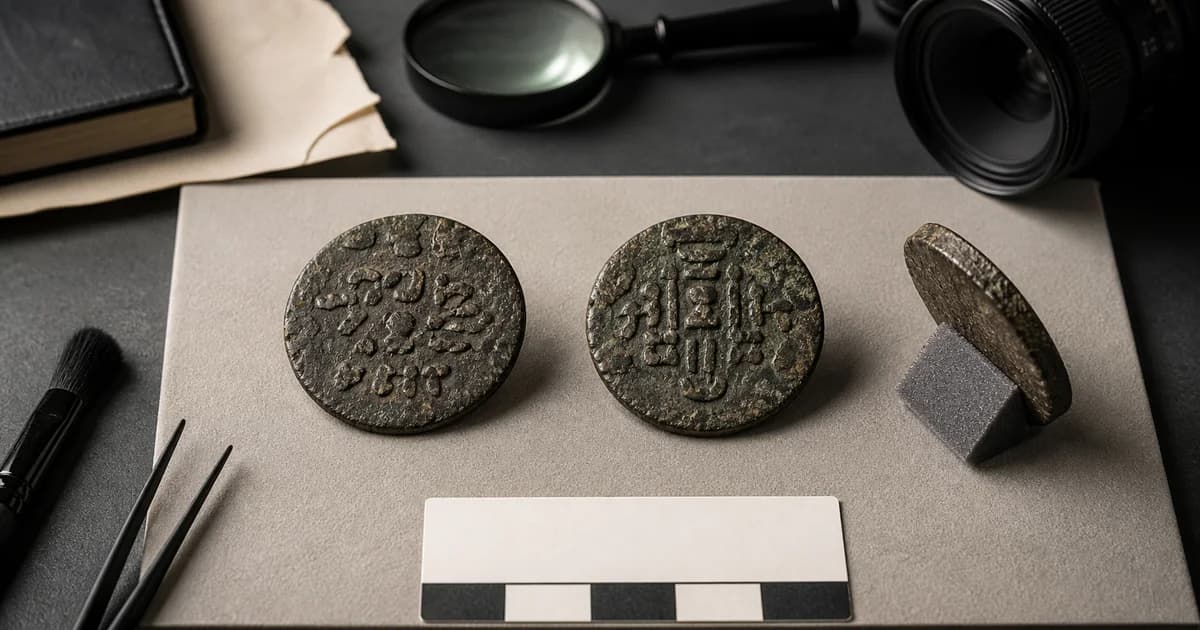
Old coin identification starts with a record, not a price guess. Photograph both faces and the edge, write down every visible inscription and mark, measure only with tools that will not damage the coin, and keep identification separate from authentication, grading, and appraisal.
An old coin can raise several different questions: what it is, whether it is authentic, what grade it deserves, and what someone might pay for it. A photo result can help you organize visible clues, but it cannot settle all four.
Separate the four questions
| Question | What a photo can help with | What needs another step |
|---|---|---|
| What coin is this? | Compare visible date, denomination, language, portrait, symbols, and edge. | Confirm a close match when wear, damage, or poor light hides details. |
| Is it authentic? | Flag visible inconsistencies for research. | A qualified in-person or specialist examination. |
| What grade is it? | Preserve a record of visible wear and marks. | A professional grading opinion; a photo result is not a certified grade. |
| What is it worth? | Identify a likely type so you can research relevant sales. | Condition, authenticity, market, provenance, and a qualified appraisal when money matters. |
Do not let one answer impersonate another. A likely identification does not authenticate the coin. A grade shown in a reference does not apply automatically to your coin. An asking price does not prove a sale value.
Photograph both faces and the edge
Place the coin on a plain background in even light. Photograph the front, back, and edge without filters. Keep the original files so you can compare them with later references.
Record only what you can see: country, denomination, date, mint mark, inscriptions, design details, and visible wear. Do not turn a hard-to-read mark into a confident claim.
Use this photo sequence:
- Whole front: keep the full rim visible and hold the camera parallel to the coin.
- Whole back: keep the same distance and lighting when you can.
- Edge: record lettering, reeding, seams, or a plain edge without forcing the coin into an unsafe position.
- One uncertain detail: take a closer frame of the date, mint mark, inscription, or damage you cannot read.
- Scale record: place a safe non-metal ruler beside, not across, the coin when size matters.
According to U.S. Mint coin-care guidance, collectors should use good lighting, a magnifying glass, a soft work surface, and hold coins by their edges. The guide also warns that cleaning or polishing can reduce value. Follow the care guidance that fits the type of coin you have; do not use this photo checklist as conservation advice for every material.
Build an identification card
| Field | What you can record |
|---|---|
| Front | Portrait, emblem, date, words, mint mark, rim details |
| Back | Denomination, emblem, words, date, mint mark |
| Edge | Plain, reeded, lettered, patterned, damaged, or unclear |
| Size | Diameter measured without scratching the surface |
| Weight | Scale reading, unit, and scale precision when available |
| Material appearance | Color and visible surface only; do not claim composition from color alone |
| Provenance | Where and when you obtained it, plus any original documentation |
| Uncertainty | Details hidden by wear, glare, dirt, damage, or crop |
Keep the original image filenames beside the card. If you edit a copy for brightness or crop, preserve the untouched file and label the edited version.
Keep identification separate from grade
According to PCGS grading standards, professional coin graders use the Sheldon scale from 1 through 70. A photo does not assign a professional grade or certify authenticity.
Do not clean, polish, or alter a coin because an automated result suggests a match. Preserve the coin as you found it and ask a qualified specialist before you change its condition.
The U.S. Mint collector guide reports that collectors should learn as much as possible about a coin before they sell or trade it. Use its terminology to improve your notes, but remember that a U.S. Mint page does not identify every world or ancient coin.
Compare a candidate without forcing a match
When a reference suggests a candidate, compare fields in a fixed order:
- Country or issuing authority.
- Denomination and units.
- Date and date style.
- Front design and inscription order.
- Back design and inscription order.
- Mint mark location.
- Edge type.
- Diameter and weight range from a trusted reference.
Write “matches,” “does not match,” or “unclear” for each field. One contradiction can matter more than several broad similarities. However, wear, clipping, damage, or a partial strike can hide a true feature, so keep the uncertain label when the photo cannot answer.
Keep identification separate from appraisal
Wild Index returns an identification with a confidence score. A Wild Index result can include an explanation for its confidence score. When the result includes one, compare it with the date, marks, design, and edge visible in your photos.
The result does not establish a sale price or appraisal outcome. When the answer affects your money, ask a reputable dealer, grading service, or qualified appraiser to inspect the coin.
Before you accept a price comparison, check whether it describes the same type, date, mint mark, condition, authenticity status, and transaction type. A dealer's asking price, an auction estimate, and a completed sale answer different questions. Keep the source URL and date beside any market observation because markets change.
Choose the next verification step
Use your photo record to compare trusted references and explain what you see to a specialist. Keep uncertainty visible until the coin receives the examination your question requires.
Treat an automated identification as a starting point for research, not permission to buy, sell, clean, grade, authenticate, or appraise the coin.
If the question is “What might this be?” → compare visible features.
If the question is “Is it genuine?” → seek authentication.
If the question is “What grade is it?” → seek professional grading.
If the question is “What is it worth?” → compare like-for-like sales and seek appraisal when the decision matters.
Coinr AI: Coin ID returns a likely identification, a confidence score, visible evidence, and comparison notes. We checked those product claims against the current App Store listing and product page on 28 July 2026. Coinr AI: Coin ID does not appraise, authenticate, grade, price, or certify legal tender.
For a field-photo protocol that puts safety before identification, read Photograph Wildlife for Better Identification Evidence. For your next coin record, open Coinr AI: Coin ID, add the obverse, reverse, and edge photos, and keep the result beside your notes.
Take the index with you
The next find won't wait for a field guide.
Open Coinr AI: Coin ID to document your find, review the visible evidence, and decide what you need to verify next.
Open Coinr AI: Coin ID